DreamHero Heroes: Complete Capture List & Rankings
DreamHero features a deep hero capture system where players can defeat and recruit enemies to build powerful teams. This guide catalogs the capture mechanics, hero classifications, and community-driven tier rankings to help players assemble optimal rosters for both the single-player campaign and Roguelike modes.
Hero Capture Mechanics
The core loop of DreamHero revolves around turning defeated enemies into controllable heroes. When an enemy's health is sufficiently lowered during combat, players can initiate a capture attempt. The success rate of a capture depends on several factors, including the remaining health of the target, the rarity of the enemy, and whether the player has any capture-boosting items equipped. Standard foes are relatively easy to recruit, while elite and boss-tier enemies require more precise timing and preparation.
Each captured hero retains the abilities and combat style they displayed as an enemy, giving observant players a strategic advantage. Learning enemy attack patterns before attempting a capture allows you to anticipate exactly what a hero will bring to your roster. Some heroes are exclusive to specific biomes or story chapters, so thorough exploration of every area is essential for completing your collection.
Captured heroes join your reserve roster and can be swapped into your active party at designated rest points. Managing your reserves effectively is key to adapting to the varied challenges DreamHero presents, especially in the Roguelike mode where encounters are unpredictable.
Hero Classes and Roles
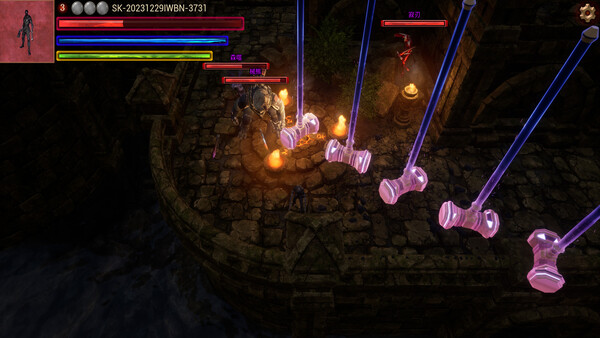
Heroes in DreamHero fall into distinct combat roles that define their function within a team. Melee-focused heroes excel at close-range engagement and drawing enemy attention, while ranged heroes deal sustained damage from a safe distance. Support-type heroes provide healing, buffs, or crowd control that can turn the tide of difficult encounters. Understanding these roles is the foundation of building a balanced and effective party.
Beyond their primary role, each hero possesses a unique ability tied to their original enemy design. These signature skills range from area-of-effect attacks to defensive barriers and movement-based utilities. The diversity of the combat system means that even heroes within the same general class can feel dramatically different to play, rewarding experimentation with new captures.
Certain heroes also carry passive traits that activate automatically during combat. These traits can synergize with other party members, creating powerful combinations that are not immediately obvious. Discovering and exploiting these synergies is one of the most rewarding aspects of team building in DreamHero.
Community Tier Rankings
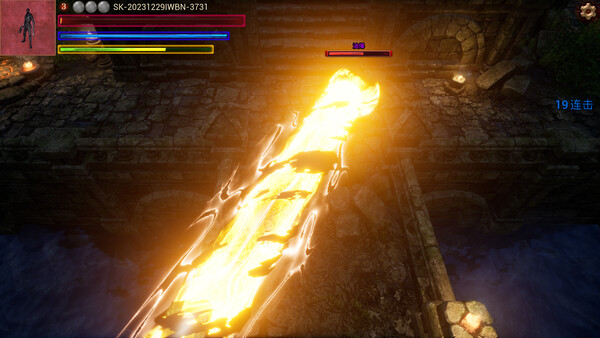
The DreamHero community generally organizes heroes into tier lists ranging from S-tier at the top down to D-tier at the bottom. S-tier heroes are considered dominant picks that trivialize most content, while A-tier heroes are strong and reliable choices for any team composition. B-tier heroes are solid but situational, and C- and D-tier heroes tend to require specific synergies or player skill to compete with higher-ranked alternatives.
It is important to note that tier rankings shift as the game receives balance updates and as players discover new strategies. A hero considered mid-tier at launch may rise significantly once the community uncovers a powerful interaction with another hero or item. Players are encouraged to revisit tier lists periodically and to test unconventional pairings rather than strictly following the meta.
Rankings also vary depending on the game mode. A hero that dominates in the linear single-player campaign may underperform in Roguelike mode, where adaptability and self-sufficiency are more valuable than raw power. The best players maintain separate mental tier lists for each mode and adjust their rosters accordingly.
Team Composition Strategies
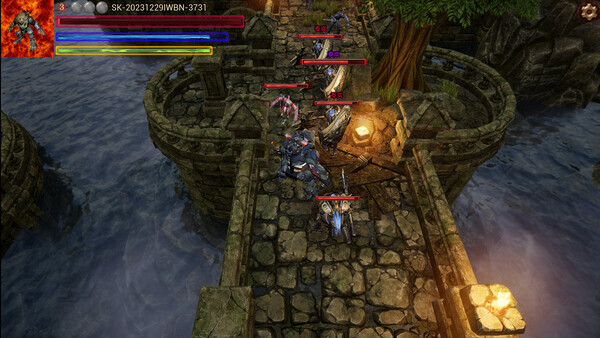
Building an effective team in DreamHero requires balancing damage output, survivability, and utility. A common beginner strategy is to stack multiple high-damage heroes, but this approach falls apart against tougher encounters that demand crowd control or healing. A well-rounded party typically includes at least one dedicated support hero alongside two or three damage dealers with complementary attack ranges.
For Roguelike runs, flexibility is paramount. Since players cannot predict which enemies and capture opportunities will appear, prioritizing heroes with versatile kits over narrowly specialized ones tends to yield more consistent results. Keeping a diverse reserve roster ensures you can adapt your active party to counter whatever threats each procedurally generated floor presents.
Advanced players also consider elemental and status-effect coverage when assembling teams. Ensuring your party can apply multiple debuff types prevents enemies from resisting your entire offensive strategy. Similarly, having at least one hero capable of cleansing negative status effects from allies can prevent a single unlucky hit from cascading into a full party wipe.
Capture Completion Tips
Completing the full hero roster is a long-term goal that requires patience and systematic play. Some heroes only appear under specific conditions, such as reaching a certain chapter, playing on higher difficulty settings, or fulfilling hidden objectives within a stage. Keeping notes on which enemies you have encountered but not yet captured can help you plan targeted return trips.
Upgrading your capture-related equipment is one of the most impactful investments you can make. Items that increase capture success rates or extend the window for capture attempts directly accelerate your collection progress. Prioritize acquiring these upgrades early in a playthrough to maximize the number of heroes you recruit on your first pass through each area.
Finally, do not overlook seemingly weak enemies. In DreamHero, every capturable foe has a place in the roster, and some of the most unassuming enemies evolve into surprisingly powerful heroes once they gain access to player-side upgrades and synergies. A complete collection is not just a badge of dedication but a genuinely useful strategic resource.